HOW MEDICAL WASTE DISPOSAL WORKS: A STEP-BY-STEP GUIDE
Proper disposal of medical waste is crucial to prevent harm to workers, patients, and the environment. Medical waste includes a variety of hazardous materials generated by healthcare facilities, including sharps, infectious waste, pharmaceuticals, and hazardous chemicals. The process of medical waste disposal involves several steps to ensure compliance with regulations and safety standards. Here’s an overview of how medical waste disposal works.
1. Identification and Segregation of Waste
The first step in medical waste disposal is identifying and segregating the different types of waste. This is critical to ensure that each type of waste is treated and disposed of according to its level of risk. Common categories include:
- Infectious waste: Blood, body fluids, and items contaminated with infectious material.
- Sharps: Needles, syringes, scalpels, and other sharp objects.
- Pharmaceutical waste: Expired or unused medications, including controlled substances.
- Hazardous waste: Chemicals, disinfectants, and other materials that pose a risk to health or the environment.
Healthcare facilities must train staff to properly identify and segregate waste to minimize contamination risks.
2. Proper Packaging and Labeling
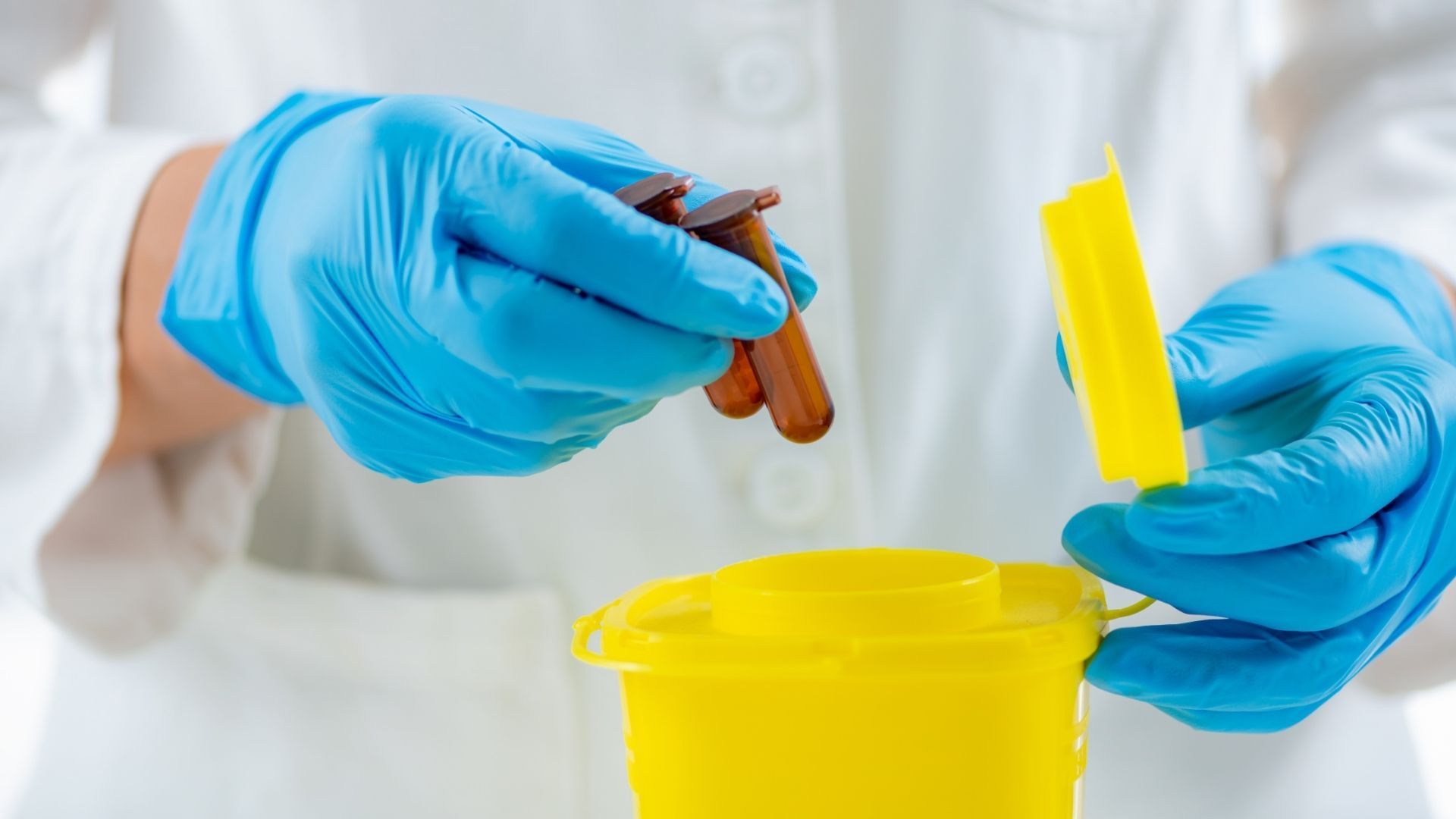
Once the waste is segregated, it is placed in the appropriate containers for disposal. Containers must be sturdy, leak-proof, and puncture-resistant, especially for sharps and infectious waste. OSHA requires containers for medical waste to be clearly labeled with appropriate symbols, such as the biohazard symbol for infectious materials.
Each container should be:
- Securely closed to prevent leaks or spills.
- Labeled with the type of waste it holds.
- Equipped with a hazard warning, where necessary.
Sharps containers, for example, must be disposed of once they are about three-quarters full, and they must be properly sealed before being transported.
3. Storage of Medical Waste
After medical waste is packaged and labeled, it must be stored safely before disposal. Medical waste should be stored in designated areas that are clearly marked as hazardous waste storage zones. These areas should:
- Be away from general traffic areas to prevent accidental exposure.
- Be kept locked and restricted to authorized personnel only.
- Have proper ventilation and drainage to prevent contamination.
Storage containers should also be properly labeled to indicate the type of waste they contain and the date they were sealed.
4. Transportation of Medical Waste
Medical waste must be transported to a licensed treatment or disposal facility. This step must be done with care to avoid contamination or exposure during transport. The waste must be placed in secure, leak-proof containers that are labeled according to their contents.
Transport vehicles should:
- Be properly cleaned and sanitized after each trip.
- Be equipped with secure compartments to prevent waste from shifting or leaking.
- Follow local, state, and federal transportation regulations for hazardous waste.
In many cases, licensed medical waste management companies are responsible for transporting waste, ensuring the proper procedures are followed.
5. Treatment of Medical Waste
Once medical waste arrives at a disposal or treatment facility, it is subjected to various treatment processes to render it non-hazardous and safe for disposal. Common treatment methods include:
- Autoclaving: A steam-based process used to sterilize medical waste, especially infectious materials. Autoclaving involves subjecting waste to high-pressure steam at a specified temperature to kill harmful pathogens.
- Incineration: Waste that cannot be sterilized by autoclaving (such as pharmaceutical waste) may be incinerated at high temperatures to destroy hazardous materials and reduce the volume of waste.
- Chemical treatment: Some waste, such as certain pharmaceuticals or laboratory waste, may be treated with chemicals to neutralize hazardous properties before disposal.
These treatment methods ensure that medical waste is safely rendered non-hazardous before being disposed of.
6. Final Disposal
After medical waste is treated, it is ready for final disposal. Depending on the type of waste and the treatment method used, it may be:
- Landfilled: After being treated to meet safety standards, the waste may be disposed of in a landfill. However, landfilling is generally a last resort and is more common for waste that cannot be recycled or incinerated.
- Recycled: Some medical waste, such as certain plastics, can be recycled after treatment.
- Returned to nature: Treated medical waste, especially organic material, may be returned to the environment in a safe and controlled manner.
The disposal process must adhere to local, state, and federal regulations to ensure that no harm is done to the environment or public health.
7. Documentation and Compliance
Throughout the entire medical waste disposal process, accurate records must be maintained to comply with regulatory requirements. This includes:
- Tracking waste from its generation to final disposal.
- Keeping logs of waste quantities and types.
- Ensuring all treatment and disposal processes are documented.
Medical waste disposal companies, healthcare facilities, and businesses must follow these guidelines to stay in compliance with OSHA, the EPA, and other regulatory agencies.
Proper medical waste management is crucial to maintaining a safe environment for healthcare workers and patients. By understanding and complying with OSHA regulations, you can prevent injuries, avoid fines, and ensure that your facility remains a safe, compliant place of business. MedWaste Industries is here to help you navigate these regulations with expert medical waste disposal services and the technology solutions you need.